

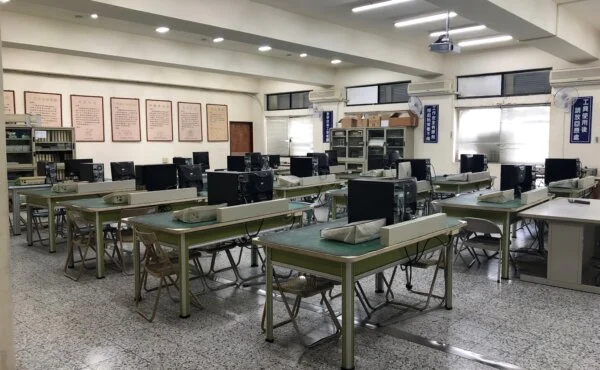
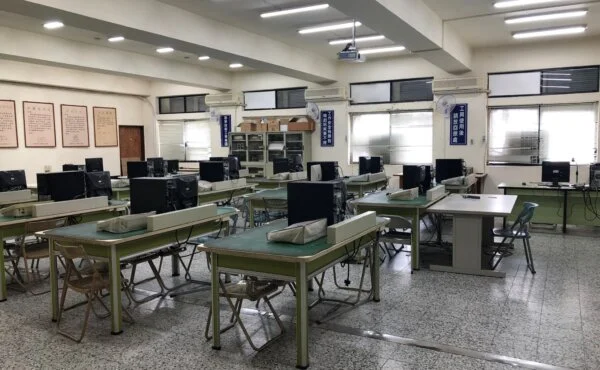
Comprehensive Building I, 4F
|
|
Course Description
Sensors and Measurements with Laboratory
This course is designed to quickly introduce students to the fundamental concepts of various sensing devices and measurement technologies. Through hands-on activities, students develop organizational, communication, and coordination skills while building a solid understanding of subsequent professional courses in the department. Practical instruction combines engineering theory with multimedia teaching materials to help students fully understand both theoretical principles and real-world applications.
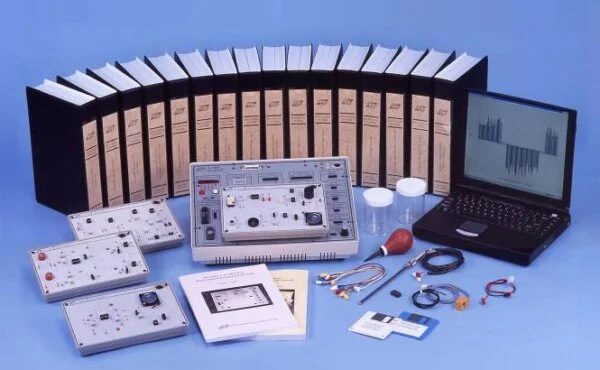
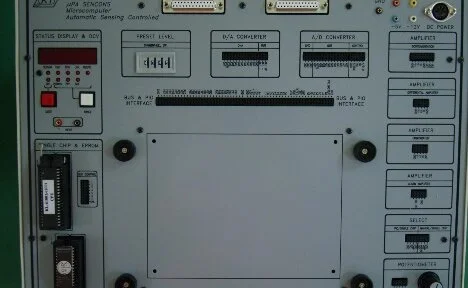
The course primarily utilizes microcomputer-based sensing experiment platforms and various sensor modules. Their modularity and versatility allow students to rapidly learn the operation of commonly used sensors and related measurement techniques. The course aims to establish a strong professional foundation in sensing technologies and measurement methods for advanced engineering studies.
Course Content: Introduction to the microcomputer-based sensing experiment platform, principles and technologies of various sensors, sensor operation, and measurement techniques.
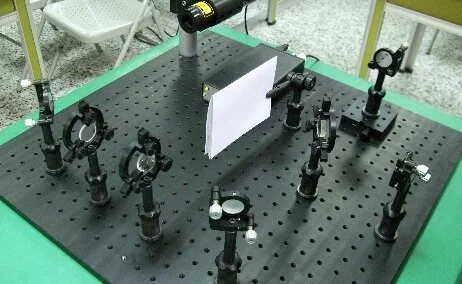
Engineering Optics
This course emphasizes the integration of theory and laboratory practice, enabling students to gain a comprehensive understanding of geometric optics and wave optics. Students learn to apply these principles in the design of optical systems (Engineering Optics) and further explore the core theories and technologies of optical engineering, including crystal optics, Fourier optics, optoelectronics, and optical measurement techniques. The course aims to strengthen students' understanding of optical principles through experiments and prepare them to integrate optoelectronic technologies into opto-mechatronic system engineering.
Course Content: Introduction to optics, geometric optics, wave optics, and laboratory experiments in optical engineering.
Courses
Sensing and Measurement
This course is expected to guide students to conceptualize the engineering practice technology in the core sensor and measurement field of the department. This course is also to build up their knowledge of the basic theory and expect them to construct relevant practical topics gradually with their own creativity.
Engineering Optics
This course focuses on the coordination of theory and experiment so that students can not only understand geometric optics and transient optics but also learn how to design optical systems (engineering optics).
Laboratory Equipment
General Teaching Equipment
Sensors and Measurements Laboratory
Engineering Optics
|
|