

Comprehensive Building I, 4F
|
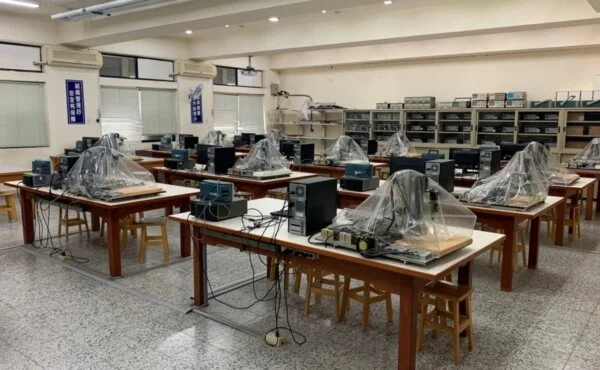 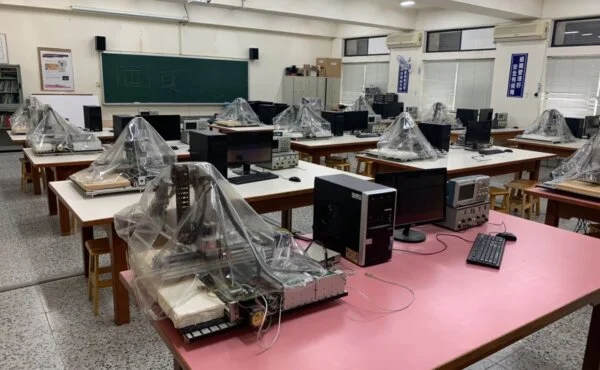
|
Course Content
Introduction to Mechatronics
This course is designed to provide students with a rapid introduction to the engineering technologies that form the core of the department's mechatronic systems curriculum. Through practical, project-based learning, students develop organizational, creative, communication, and coordination skills while establishing a solid understanding of, and interest in, the department's subsequent professional courses. The laboratory exercises are designed to present fundamental engineering principles in a simple and accessible manner, enabling students to progressively develop practical mechatronic system projects through their own creativity.
The primary instructional platform for this course is the LEGO® robotics system. Its modular design and rapid programming capabilities allow students to quickly prototype, design, test, and evaluate their projects. Through these hands-on activities, students gain a professional understanding of both the hardware and software aspects of mechatronic systems, as well as system control concepts, thereby establishing a strong foundation for advanced courses.
Course Content:
- Introduction to the EV3 Controller and Components; Practical Construction of Basic Mechatronic Systems
- Design, Applications, and Practice of Structures, Mechanisms, and Power Transmission
- Sensor Principles and Configuration; Basic Motor Motion Control Modes and Settings; Program Flow Control; and Basic System Integration Testing
- Sequential State Transition Programming, Advanced Motor Motion Control, Human–Machine Interface (HMI) Design and Applications (Autonomous Vehicle Challenge)
- Multi-threaded Programming, Strategic State Transition Control, and Integrated Motion Control (Robot Sumo Competition)
Mechatronic Systems Laboratory
This laboratory course complements the department's theoretical course, Mechatronic System Design. It integrates knowledge acquired from related professional courses, including Programming, Electronic Circuits Laboratory, Digital Logic Laboratory, Microprocessor and Interface Laboratory, Sensing and Measurement Laboratory, and Control Engineering Laboratory. Through the operation, experimentation, and observation of actual systems, students gain a comprehensive understanding of the architecture and characteristics of mechatronic systems while developing a systematic engineering perspective.
The course utilizes a two-axis linear motion stage, one of the most widely used and representative mechatronic systems in industry, as its primary teaching platform. To provide flexibility and versatility, the system is based on a personal computer as the monitoring platform, taking advantage of its openness and accessibility. Combined with the powerful graphical programming capabilities of NI LabVIEW Professional, motion control cards, and data acquisition cards, students are able to develop complete mechatronic control systems featuring rapid human–machine interface development, data processing, and system integration to support the various practical exercises designed for this course.
Course Content:
- Introduction to System Hardware Architecture, Hardware Circuit Inspection, and Debugging
- Analysis of Motion Mechanisms and Drive Characteristic Parameters
- Motion Generation, Proportional (P) Feedback Control, Control System Operation, and Human–Machine Interface Design
- Integration of Vision Systems and Design of Machine Vision-Based Mechatronic Systems
- Acquisition, Processing, and Analysis of Logic, Analog, and Digital Sensor Data
- PWM Drive and PID Position/Speed Control of DC Servo Motor Systems
Courses
Course: Introduction to Mechatronics
This course provides students with a fundamental understanding of engineering practices in mechatronic systems, helping them establish a solid foundation in the department's core disciplines while fostering creativity, problem-solving ability, and practical engineering skills.
This Course Includes:
- Mechatronic System Design
- Mechatronic Systems Laboratory
- Introduction to EV3 Controllers and Components
- Mechatronic System Construction and Practice
- Mechanism and Power Transmission Design
- Human–Machine Interface (HMI) Design and Applications
- Hardware Circuit Testing and Debugging
Laboratory Equipment
Basic Teaching Equipment
Mechatronic Systems Laboratory
Introduction to Mechatronics
|
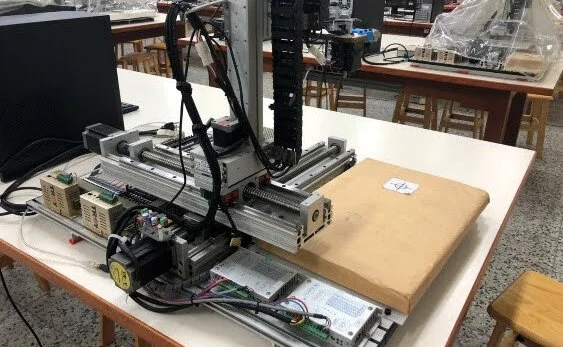 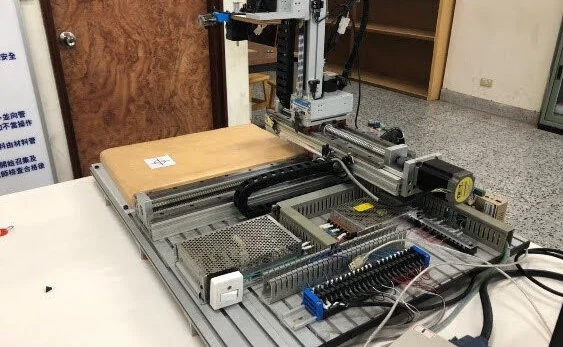
|