

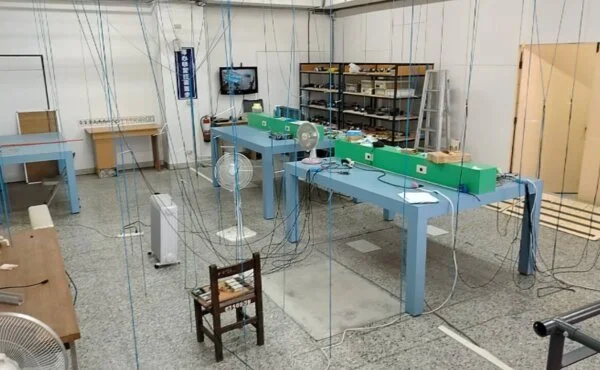
1st Integrated Building, 5F
|
 |
Course Description
Intelligent Water Quality Monitoring Systems and Applications
This course introduces students to the application of automation technologies in the aquaculture industry.
Course Topics:
- Development of Aquaculture
- Water Quality and Aquaculture Ecology
- Aquaculture Aeration Equipment
- Water Quality Monitoring Equipment and Systems
- Wireless Monitoring Technologies
Creativity and Invention
This course offers students flexible opportunities to explore innovation and creativity. Students form teams of three to five members to investigate topics related to eco-friendly technologies, energy conservation, 3D printing, engineering applications, commercial development, and future technologies. The course begins by analyzing existing inventions, including their research background, theoretical foundations, and commercialization challenges. TRIZ methodology is introduced as a systematic approach to innovation and invention.
Course Topics:
- Describe the Nature of Existing Problems
- Identify Deficiencies in Existing Products
- Review Existing Solutions
- Conduct Team Discussions from Multiple Perspectives
- Apply TRIZ Innovation Theory
- Integrate and Evaluate Potential Solutions
Technical English
- Emphasis on workplace-oriented English training with technology as the primary theme.
- Keyword searching: technology, engineering vocabulary, and technical terminology
- Reading skills: understanding the main ideas of individual paragraphs and complete articles
- Using Microsoft Word to prepare announcements, formal and informal emails, reports, resumes, and business correspondence with text, tables, and graphics
- Using Microsoft PowerPoint (and Word) with images, charts, text, and videos to practice English presentations and question-and-answer (Q&A) communication
- This course emphasizes repeated practice through online platforms such as Google, YouTube, and Facebook. Students read popular science articles and academic literature related to technology to broaden interdisciplinary knowledge and global perspectives.
- Topics include Artificial Intelligence (AI), Internet of Things (IoT), consumer electronics, alternative energy, public transportation, smart home technologies, and other emerging technologies.
Courses
Intelligent Water Quality Monitoring System and Application
This course is designed to apply automation technology to the aquaculture industry.
Course Contents
- Development of Aquaculture
- Water quality and Aquaculture Ecology
- Aerators
- Water quality sensors and control system
- Wireless monitoring and control system
Creation and Innovation
The course allows flexible options in different aspects of innovation and recreation. Three to five students may organize a group and focuses on a subject to present the history, development, future application on ECO, energy-saving, 3D printing, and engineering, commercial & practical application in the present and future life. The course starts with important existing inventions to discover the research background, theory, difficulty in marketing, etc. The theories of TRIZ will be mentioned to summarize the invention principles.
Course Contents:
- to describe the properties of existing problems
- to discover the disadvantage of existing product or problems
- to summarize existing solutions
- to organize a group to discuss the problems in different aspects
- to think with TRIZ theory
- to integrate the possible suggestions
Technology English
Focus on workplace application training, with technology as the theme, training English
- Keyword search: technology, engineering terms, and technical terms
- Reading skills: able to understand the main points of each paragraph and the whole article
- Use Word to use pictures, tables, words, and exercises: announcements, formal and informal emails, formal reports, resumes, and other letters
- Use PowerPoint (Word), use diagrams, tables, texts, and videos to practice: what you want to explain or introduce, and conduct a simple question and answer training in English (Q&A)
This course focuses on repetitive exercises; using Google, YouTube, FB, and other online platforms, select English popular articles or academic papers in technology-related fields to learn innovative technology and cross-domain knowledge:
- Artificial intelligence, AI technology, Internet of Things, 3C electronic products alternative energy, mass transportation, household technology, and other related topics
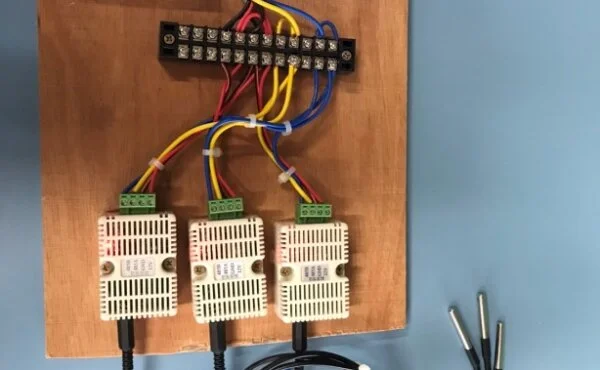
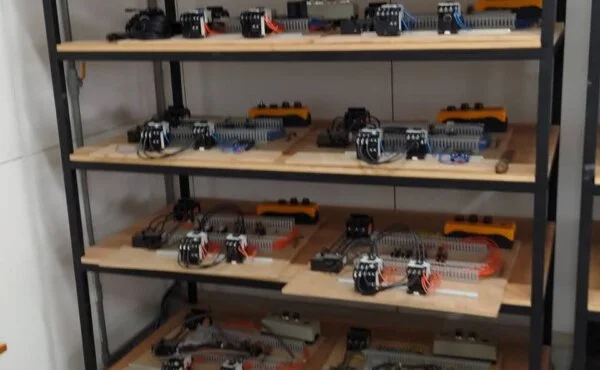
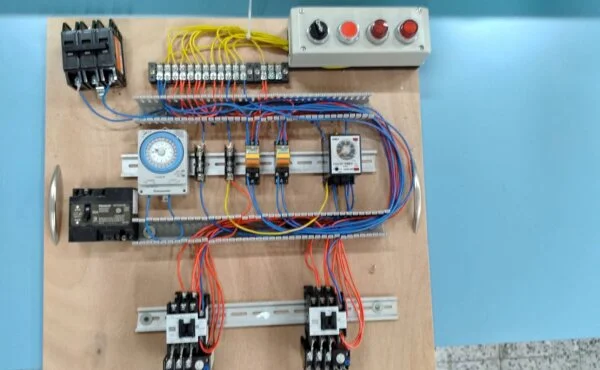
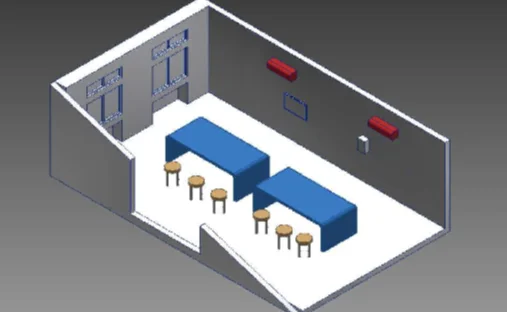
Laboratory Equipment
Basic Teaching Equipment
|
|
Related Videos
 |